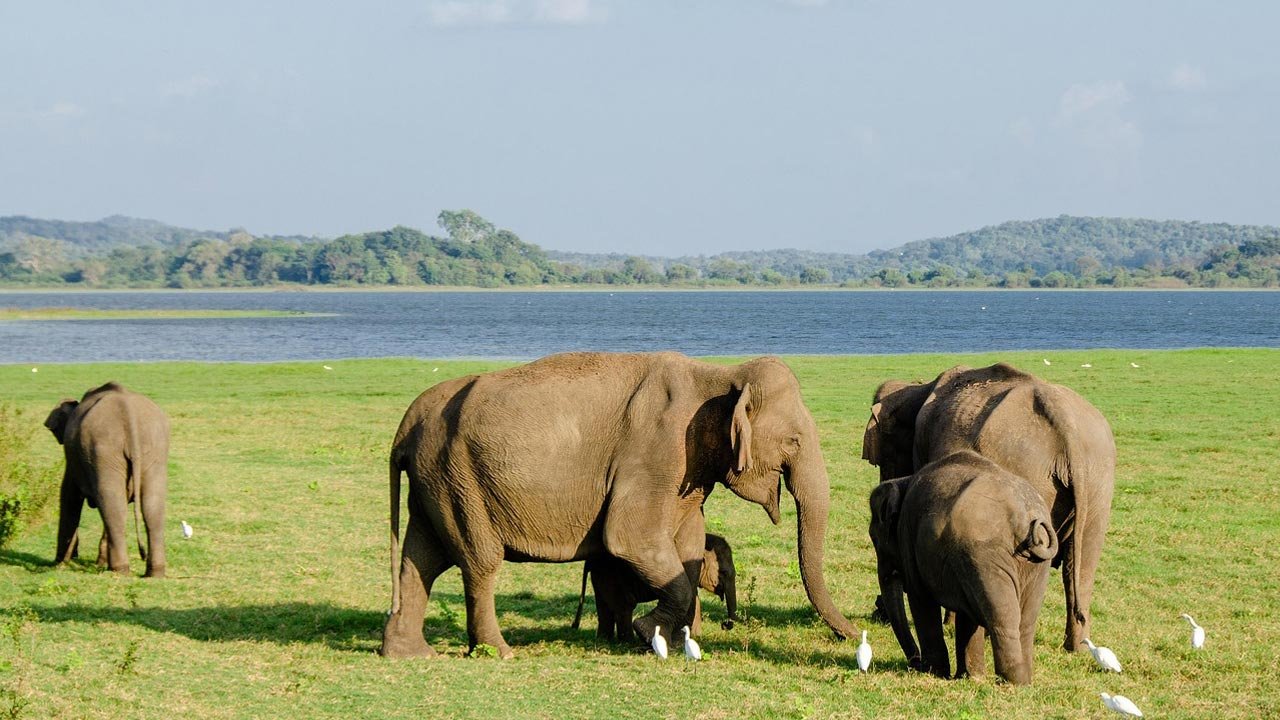

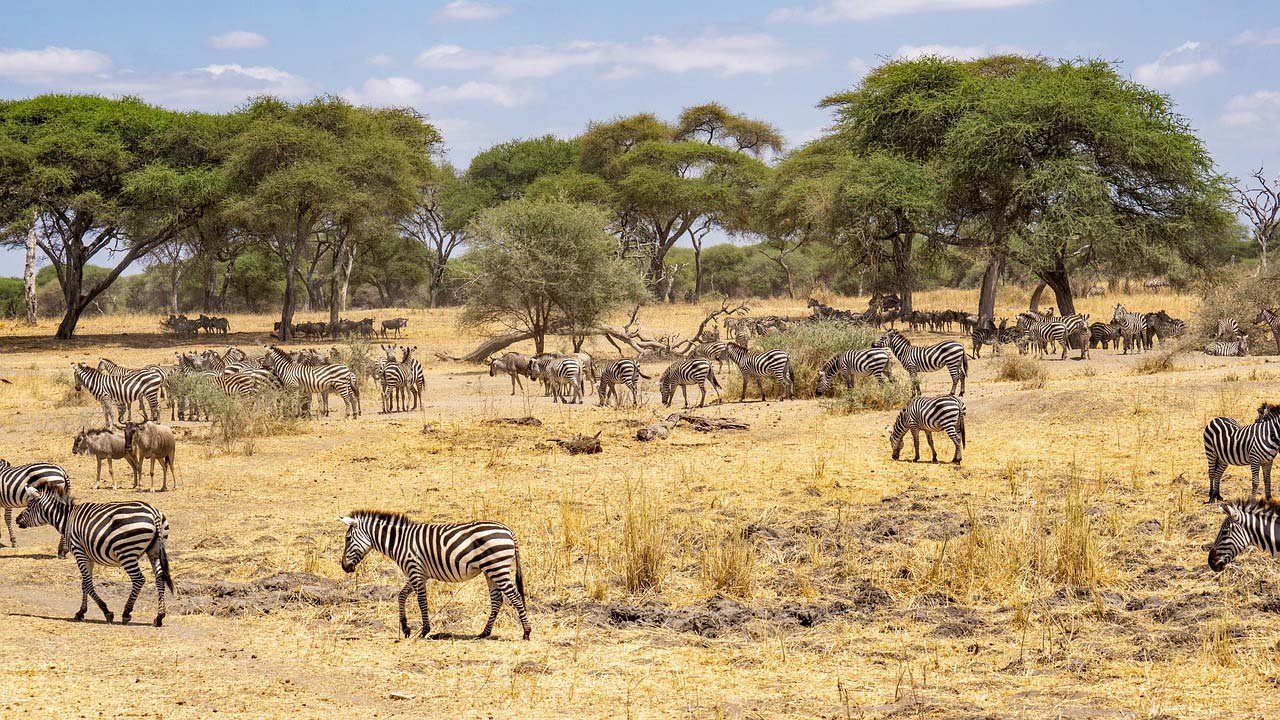
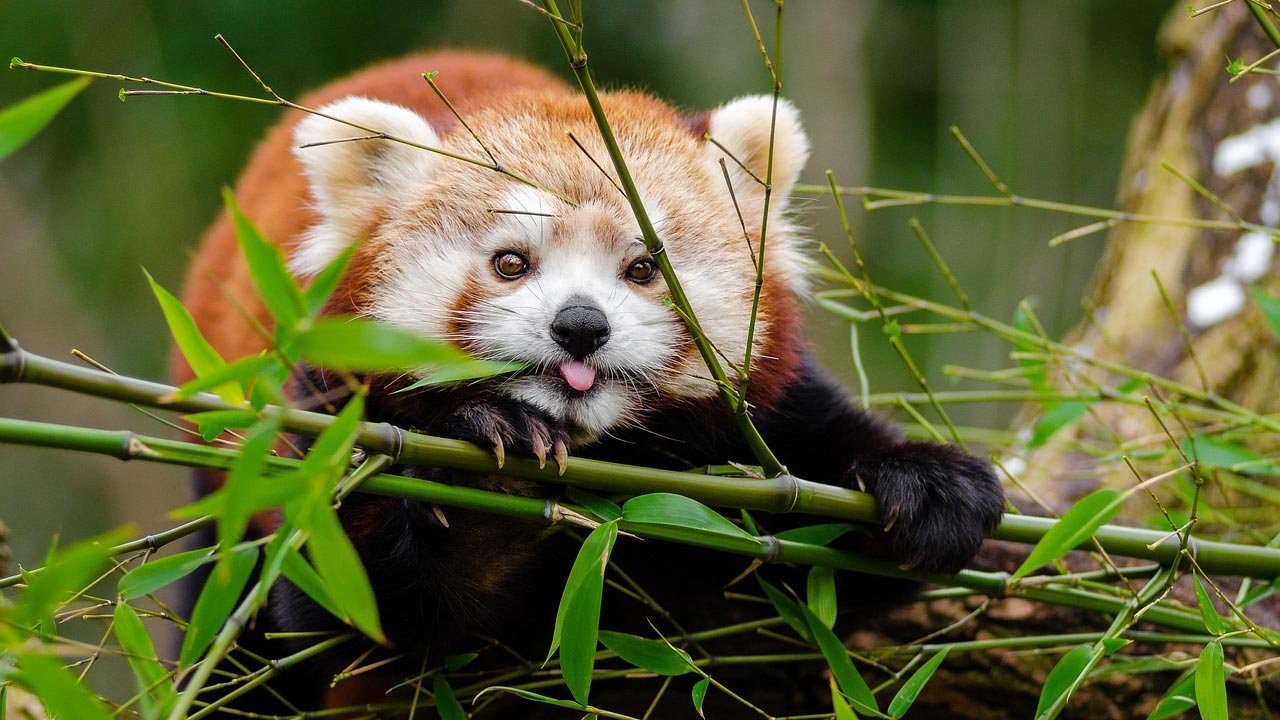
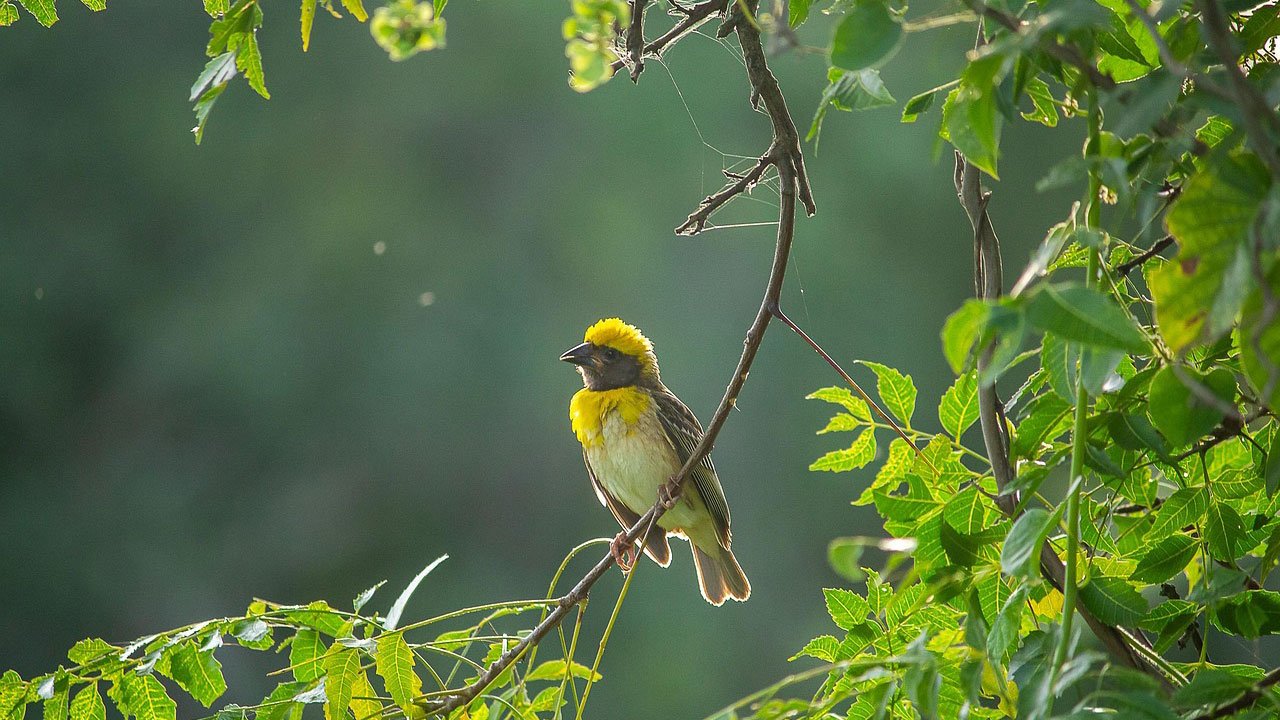
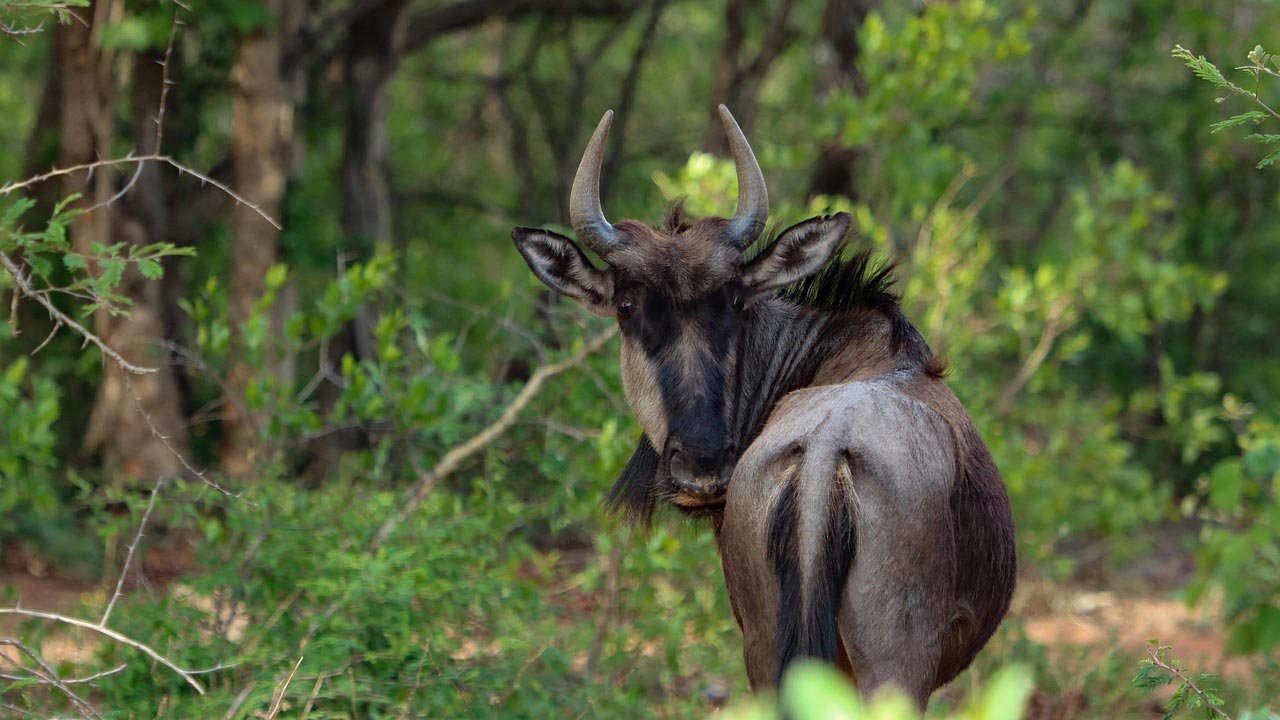
In our rapidly changing world—marked by climate disruption, habitat loss, pollution, and biodiversity decline—wildlife conservation is no longer a niche concern but a fundamental imperative for planetary and human survival.
1. Biodiversity as a Safety Net
Habitat Fragmentation: Expanding agriculture, urbanization, and infrastructure cut through migration routes and reduce living spaces.
Climate Change: Alters breeding cycles, migration patterns, and food availability faster than many species can adapt.
llegal Wildlife Trade: Drives species like pangolins, rhinos, and elephants toward extinction.
Pollution: Plastics, chemicals, light, and noise pollution disrupt animal behavior and health.
Invasive Species: Outcompete native wildlife as climate zones shift.
1. Protected and Connected Areas
Expanding well-managed protected areas and creating wildlife corridors allows species to move and adapt to climate shifts.
2. Community-Led Conservation
Successful conservation involves local and indigenous communities as partners, respecting their knowledge and rights while supporting sustainable livelihoods.
3. Technology and Innovation
Using tools like drone monitoring, environmental DNA (eDNA) sampling, and AI helps track populations, combat poaching, and restore habitats more effectively.
4. Policy and Finance
Stronger international agreements (like the UN Biodiversity Framework), national policies, and redirecting harmful subsidies toward conservation finance are critical.
5. Individual and Collective Action
From responsible consumption and supporting conservation organizations to advocating for policy change, everyone has a role.
Conclusion
Wildlife conservation is not about preserving the past but about securing a livable, vibrant future. In a changing world, it represents an investment in planetary resilience, human health, economic stability, and ethical stewardship. The fate of wildlife is inextricably linked to our own—by protecting them, we ultimately protect ourselves and the delicate balance of life on Earth.
 Made With Breakdance !!