

Our planet is an extraordinary tapestry of ecosystems, each uniquely adapted to support a stunning variety of life. From the frozen poles to the deepest oceans, wildlife habitats are not just places—they are living, breathing systems that tell the story of evolution, adaptation, and interdependence. Here is a journey through some of Earth’s most iconic natural realms.
1. The Amazon Rainforest – The Lungs of the Earth
Location: South America
Iconic Species: Jaguar, Scarlet Macaw, Poison Dart Frog, Giant Otter, Capybara
Why It’s Iconic: The world’s largest tropical rainforest, home to 10% of all known species. A complex, multi-layered canopy creates vertical worlds, from forest floor to emergent trees, buzzing with life in every niche. Its immense biodiversity and role in global climate regulation make it irreplaceable
2. The African Savanna – The Great Stage of Life
Location: East and Southern Africa
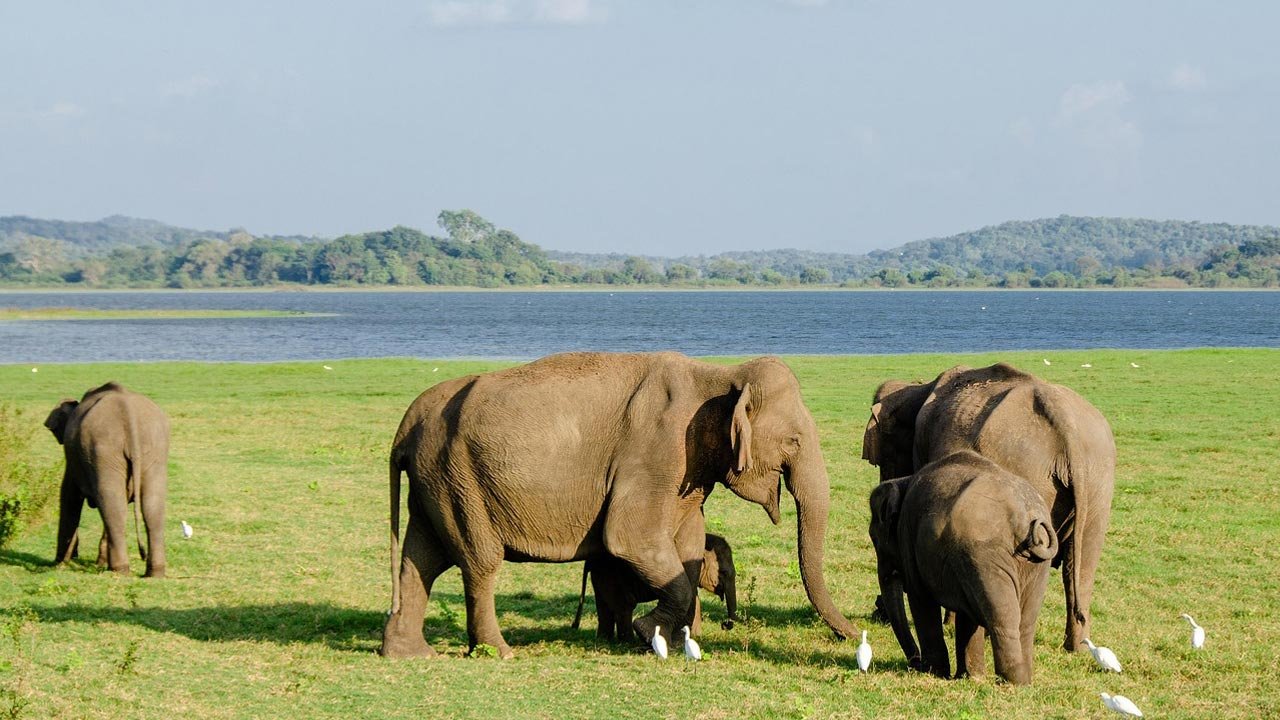
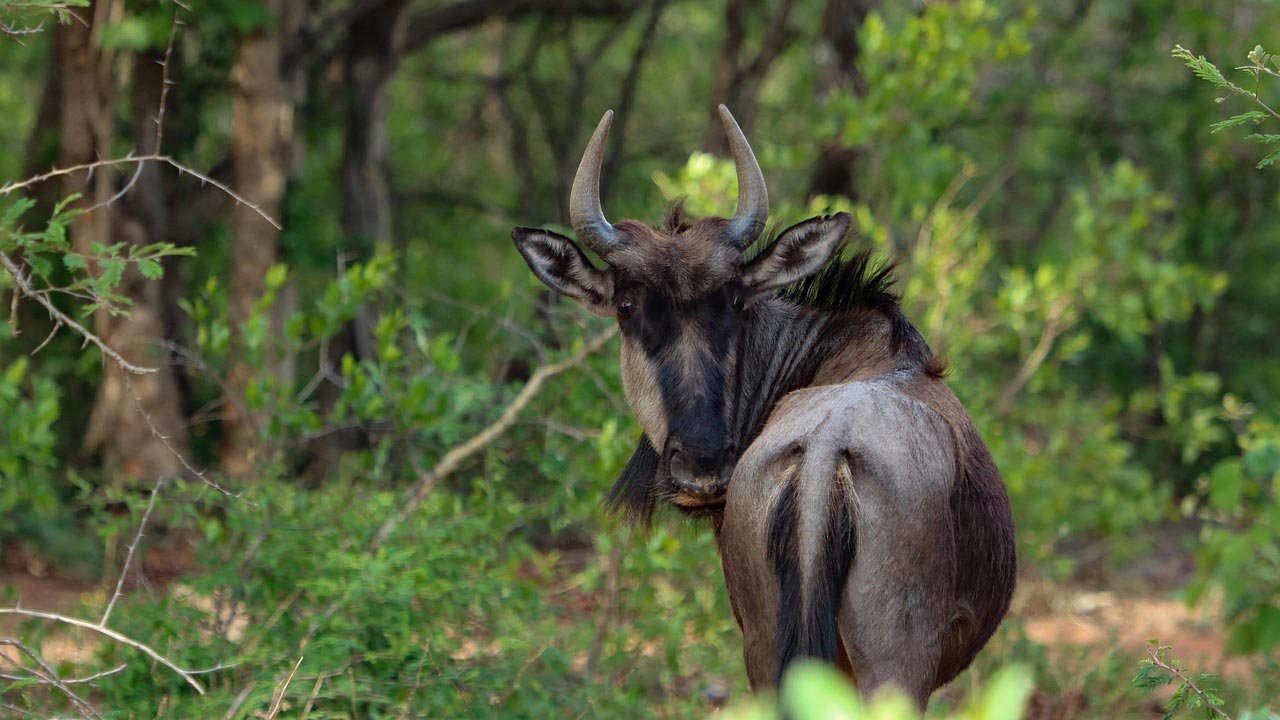
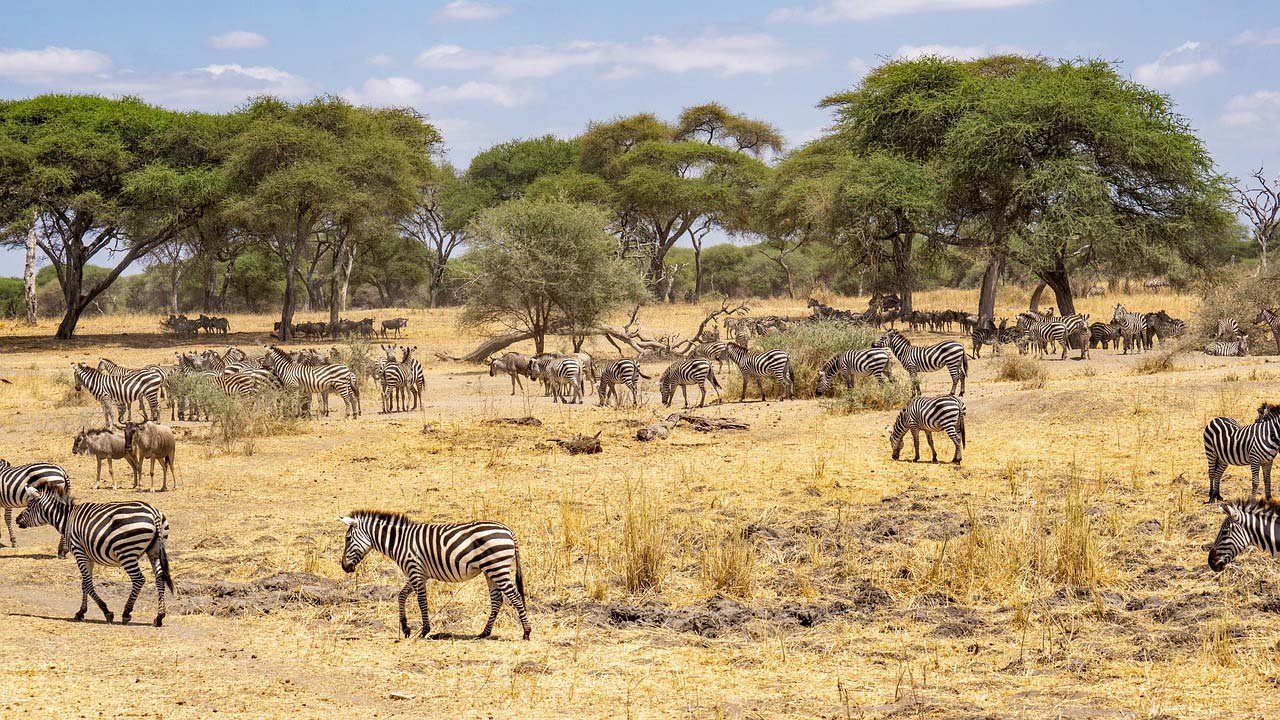
Iconic Species: African Elephant, Lion, Giraffe, Wildebeest (Great Migration), Acacia Trees
Why It’s Iconic: Vast grasslands dotted with iconic flat-topped trees, this habitat is defined by seasonal rains and droughts. It’s the stage for the planet’s most spectacular migration (the Serengeti-Mara wildebeest journey) and the drama of predator and prey playing out on an open, sun-drenched plain.
3. The Great Barrier Reef – The Ocean’s Living Mosaic
Location: Coral Sea, off Australia’s coast
Iconic Species: Hundreds of coral species, Green Sea Turtle, Clownfish, Giant Clam, Reef Shark
Why It’s Iconic: The world’s largest coral reef system, visible from space. This underwater metropolis, built by tiny coral polyps over millennia, shelters an explosion of color and life. A breathtaking example of symbiotic relationships and oceanic biodiversity now facing climate threats like coral bleaching.
4. The Arctic Tundra – The Frozen Frontier
Location: Circumpolar, surrounding the North Pole
Iconic Species: Polar Bear, Arctic Fox, Caribou (Reindeer), Snowy Owl, Muskox
Why It’s Iconic: A treeless landscape of permafrost, where life survives extreme cold, harsh winds, and long winters. In the brief, vibrant summer, it explodes with wildflowers and migratory birds. It’s a fragile ecosystem warming at twice the global average, threatening its unique adaptations.
5. The Himalayan Highlands – The Roof of the World
Location: Asia (Nepal, Bhutan, Tibet, India)
Iconic Species: Snow Leopard, Red Panda, Himalayan Monal, Yak, Rhododendron forests
Why It’s Iconic: From deep alpine valleys to the highest peaks, this vertical habitat changes with altitude. Rare and elusive species like the snow leopard are perfectly camouflaged in its rocky slopes, while unique cultures have adapted to life in thin air. A critical water tower for Asia.
6. The Pantanal – The World’s Largest Tropical Wetland
Location: Brazil, Bolivia, Paraguay
Iconic Species: Jaguar, Hyacinth Macaw, Giant River Otter, Capybara, Caiman
Why It’s Iconic: Unlike a rainforest, the Pantanal is an open, seasonally flooded plain. During the wet season, it transforms into a vast inland sea, dispersing nutrients and creating a paradise for wildlife. It boasts the highest concentration of jaguars on Earth and is a birdwatcher’s paradise.
7. The Deep Ocean Vents – The Alien World Within Our Own
Location: Mid-ocean ridges worldwide
Iconic Species: Giant Tube Worms, Yeti Crab, Vent Mussels, Extremophile Bacteria
Why It’s Iconic: In complete darkness, under crushing pressure, life thrives not by sunlight but by chemosynthesis. Superheated, mineral-rich water from hydrothermal vents supports bizarre, specialized life forms, challenging our very definition of where life can exist.
8. The Bornean Rainforest – An Ancient Island Ark
Location: Borneo (Indonesia, Malaysia, Brunei)
Iconic Species: Orangutan, Proboscis Monkey, Pygmy Elephant, Rafflesia (world’s largest flower), Hornbills
Why It’s Iconic: One of the oldest rainforests on Earth (over 130 million years). Its isolation led to incredible endemism—species found nowhere else. The charismatic orangutan, the “person of the forest,” symbolizes the profound intelligence and fragility of this habitat
9. The Galápagos Islands – The Living Laboratory of Evolution
Location: Pacific Ocean, off Ecuador
Iconic Species: Giant Tortoise, Marine Iguana, Blue-footed Booby, Darwin’s Finches, Galápagos Penguin
Why It’s Iconic: Volcanic islands where unique species evolved in isolation, famously inspiring Charles Darwin’s theory of natural selection. Here, animals show no fear of humans, and adaptations—like the marine iguana, the only sea-going lizard—are on vivid display.
10. The Boreal Forest (Taiga) – The Planet’s Green Crown
Location: Northern latitudes across Canada, Scandinavia, Russia
Iconic Species: Gray Wolf, Moose, Lynx, Brown Bear, Wolverine, Great Gray Owl
Why It’s Iconic: The world’s largest land biome, a vast sea of coniferous trees (spruce, fir, pine). It experiences extreme temperature swings and is a critical global carbon sink. Its ecosystems are adapted to fire and cold, supporting hardy predators and cyclical populations like the snowshoe hare.
This journey reveals a common truth: these habitats are interconnected masterpieces of nature. The health of the Amazon affects global rainfall; the Arctic’s ice regulates ocean currents; coral reefs protect coastlines. Each habitat faces profound threats—climate change, habitat loss, pollution, and exploitation.
Traveling responsibly, supporting conservation, and advocating for global climate action are ways we can help ensure these iconic worlds remain thriving chapters in Earth’s story, not just memories in a history book.
“In the end, we will conserve only what we love; we will love only what we understand; and we will understand only what we are taught.” – Baba Dioum
 Made With Breakdance !!