Author: bdwebkit

  • Tracks in the Dust: What Animal Footprints Reveal About Behavior”

    Tracks in the Dust: What Animal Footprints Reveal About Behavior”

    A single footprint in soft earth is more than just an impression—it’s a frozen moment in an animal’s life, a data point in a story written in mud, sand, and snow. Wildlife tracking is the ancient art and modern science of reading these stories, transforming simple tracks into profound insights about behavior, ecology, and survival.

    The Basic Language of a Track

    Each track tells a physical story:

    • Shape & Size: Identifies species, age, and sometimes sex.
    • Depth & Pressure: Reveals weight, speed, and gait.
    • Claw Marks, Webbing, Pad Details: Speak to adaptations for digging, swimming, or stealth.

    But the true narrative unfolds when you follow the trail.

    Decoding Behavior Through Patterns

    1. The Story of Gait & Movement

    How an animal moves reveals its immediate intent:

    • Direct Register Walk (A “Stalk”): Hind foot placed precisely where the front foot was. Common in cats and foxes. Indicates stealth, cautious movement, or energy conservation.
    • Diagonal Walk (A “Traveling” Walk): Classic alternating pattern. Shows purposeful, relaxed travel from one area to another.
    • Bound or Gallop (A “Chase or Flight”): Groups of widely spaced tracks, with front and hind feet landing together. Screams pursuit, escape, or play. The dramatic increase in stride length shows urgency.
    • Lope or Trot (An “Efficient Cruise”): A steady, energy-saving gait for covering long distances, seen in wolves and coyotes.
    2. The Narrative of Daily Life

    Hunting & Predation: A slow, stalking walk suddenly erupting into a violent scatter of tracks and a scuffed area (the “kill site”). You might see smaller tracks simply… disappear.

    Foraging: Meandering, looping patterns with frequent stops, digs, or scratches. Squirrel tracks circling a tree, or a badger’s distinctive digging patches.

    Drinking: A trail leading directly to water’s edge, with concentrated, overlapping prints and perhaps slid marks. A universal behavior snapshot.

    Resting: A trail that ends in a large, flattened area with no exit tracks—the animal flew off (bird) or bedded down and then arose to leave (creating a second set of tracks).

    3. Social Structures & Relationships

    A Single, Consistent Trail: A solitary hunter or a territorial animal patrolling alone.

    Parallel Trails (Multiple Sizes): A family group. You can often distinguish larger adult tracks from smaller juvenile ones, telling a story of parental guidance.

    Overlapping, Interwoven Trails: Social animals, like a pack of wolves or a troop of raccoons, moving in a group. Sometimes shows playful interaction.

    Two Trails Converging & Interacting: Could be a predator-prey encounter, a mating ritual, or a territorial confrontation. Look for signs of struggle, circling, or sudden direction changes.

    4. The Invisible Made Visible

    • Scents & Marking: A pause in a trail with slight scratches or disturbed earth near a rock or tree might be a canine or feline leaving a scent mark.
    • Awareness & Alertness: Tracks that show a sudden stop, a pivot, and a change in gait indicate the animal saw, heard, or smelled something of interest or danger.
    • Health & Condition: Dragging feet, irregular stride, or asymmetrical tracks can suggest injury, illness, or old age.

    Why This Matters Beyond the Story

    Tracking is fundamental science. Conservationists use track surveys to monitor population health, distribution, and habitat use without intrusive cameras or tags. It’s a low-impact way to confirm the presence of elusive, endangered species.

    The Tracker’s Mindset

    To read tracks is to practice applied empathy. You must ask:

    • What was this animal’s goal? (Food, water, shelter, mate?)
    • What was it feeling? (Calm, hungry, frightened, curious?)
    • What did it perceive in its environment that I cannot see?

    In the end, a track is a signature. It’s a record of a life being lived by an creature you may never see, but whose journey you can now understand. In the dust, we find not just footprints, but the very pulse of the wild—a direct, tangible connection to the hidden lives moving all around us.

    “The earth is a manuscript, being written and rewritten every day by the footsteps of its inhabitants.” — A tracker’s proverb.
  • “From Forest Floor to Sky: A Look at Multi-Layered Wildlife Habitats”

    “From Forest Floor to Sky: A Look at Multi-Layered Wildlife Habitats”

    Forests are not just collections of trees — they are vertical worlds, each layer a unique ecosystem teeming with specialized life. Like a bustling city with distinct neighborhoods from basement to penthouse, forest layers create niches that allow thousands of species to coexist. Let’s journey upward through the strata of life in a temperate or tropical rainforest.

    1. The Forest Floor: Realm of Decomposition

    Conditions: Dark, damp, rich in decaying matter.
    Key Inhabitants:

    • Detritivores: Fungi, termites, earthworms, and beetles that break down fallen leaves and wood.
    • Ground Dwellers: Large mammals like deer, tapirs, and forest elephants (in tropics), foraging for roots, fungi, and low-growing plants.
    • Predators: Jaguars, leopards, and forest foxes patrol quietly here.
    • Specialized Plants: Saprophytes (like ghost pipes) that feed on decaying matter, and shade-tolerant seedlings waiting for a canopy gap.
    • Why it matters: The forest floor is the nutrient recycling center — decomposers return vital minerals to the soil, fueling the entire forest’s growth.

    2. The Understory: Realm of Shadow and Strategy

    Conditions: Low light, still air, high humidity.
    Key Inhabitants:

    • Shade-adapted Plants: Ferns, palms, shrubs, and young trees that thrive in dim light.
    • Amphibians & Reptiles: Poison dart frogs, snakes like the emerald tree boa (often climbing between layers).
    • Insects & Arachnids: Countless beetles, ants, and cryptic spiders.
    • Birds & Small Mammals: Many understory birds (e.g., antbirds) and rodents like agoutis.

      Why it matters: The understory is a nursery and refuge — a protected zone where young trees grow and many animals hide from predators or hunt in relative cover.

    3. The Canopy: The Forest’s Vibrant Roof

    Conditions: Sun-drenched, wind-exposed, rich in fruits and flowers.
    Key Inhabitants:

    • Arboreal Specialists: Monkeys, sloths, lemurs, and canopy-dwelling marsupials.
    • Birds: Parrots, toucans, hornbills, and countless songbirds nesting and feeding on fruit, nectar, and insects.
    • Epiphytes: “Air plants” like orchids, bromeliads, and mosses that live on branches, creating micro-habitats for insects and frogs.
    • nsects: Butterflies, bees, and canopy-specific beetles.
    • Why it matters: The canopy is the primary production layer — up to 80% of forest photosynthesis happens here. It’s also the main hub for pollination, seed dispersal, and arboreal life.

    4. The Emergent Layer: Towers Above the Green Sea

    Conditions: Full sun, strong winds, temperature fluctuations.
    Key Inhabitants:

    • Giant Trees: Individual tall trees (like kapok or dipterocarps) rising above the canopy.
    • Raptors & Flying Predators: Eagles, hawks, and bats that soar above the forest.
    • Specialized Insects: High-flying butterflies and moths.
    • Sun-loving Epiphytes: Some hardy orchids and lichens cling here.

    Why it matters: Emergent trees seed the forest — their height aids wind dispersal, and they often flower and fruit to feed high-flying animals. They also influence local weather by capturing moisture.

    The Connections Between Layers

    The true wonder lies in the vertical links:

    • Nutrient Cycling: Fallen leaves, fruit, and even animals drop from canopy to floor, feeding decomposers.
    • Animal Movement: Many species, like squirrels, monkeys, and insects, move daily between layers to feed, nest, and escape predators.
    • Water Flow: Rain is intercepted by canopy leaves, drips to understory plants, and finally soaks into the floor — each layer moderates the microclimate.
    • Seed Dispersal: Birds may eat fruit in the canopy and deposit seeds on the forest floor, or wind may carry seeds from emergents to clearings.

    Threats to This Vertical World

    • Deforestation & Fragmentation: Removing trees destroys entire vertical communities at once.
    • Climate Change: Alters growth cycles, flowering times, and layer-specific microclimates.
    • Invasive Species: Can dominate a particular layer, choking out native specialists.
    • Selective Logging: Even removing a few large trees can disrupt canopy connectivity and sun exposure patterns.

    Conservation Through Layers

    Protecting forests means protecting all strata:

    • Maintaining Old-Growth Forests: These have fully developed layers, including ancient emergent trees.
    • Canopy Bridges: In fragmented areas, ropes or land bridges help arboreal animals cross gaps.
    • Epiphyte Protection: Preserving “keystone plants” that host entire micro-ecosystems.
    • Multi-Layer Research: Using canopy cranes, drones, and tree-climbing scientists to study life above the ground.

    In essence, a forest’s health is measured not just in acres but in vertical integrity. From the fungi weaving through the soil to the eagles circling above the canopy, each layer supports the others in a delicate, dynamic balance. To stand in a multi-layered forest is to witness one of Earth’s most complex and collaborative living architectures — a testament to life’s capacity to diversify, adapt, and interconnect across every possible niche.

  • “A Journey Through Earth’s Most Iconic Wildlife Habitats”

    “A Journey Through Earth’s Most Iconic Wildlife Habitats”

    Our planet is an extraordinary tapestry of ecosystems, each uniquely adapted to support a stunning variety of life. From the frozen poles to the deepest oceans, wildlife habitats are not just places—they are living, breathing systems that tell the story of evolution, adaptation, and interdependence. Here is a journey through some of Earth’s most iconic natural realms.

    1. The Amazon Rainforest – The Lungs of the Earth

    Location: South America
    Iconic Species: Jaguar, Scarlet Macaw, Poison Dart Frog, Giant Otter, Capybara
    Why It’s Iconic: The world’s largest tropical rainforest, home to 10% of all known species. A complex, multi-layered canopy creates vertical worlds, from forest floor to emergent trees, buzzing with life in every niche. Its immense biodiversity and role in global climate regulation make it irreplaceable

    2. The African Savanna – The Great Stage of Life

    Location: East and Southern Africa
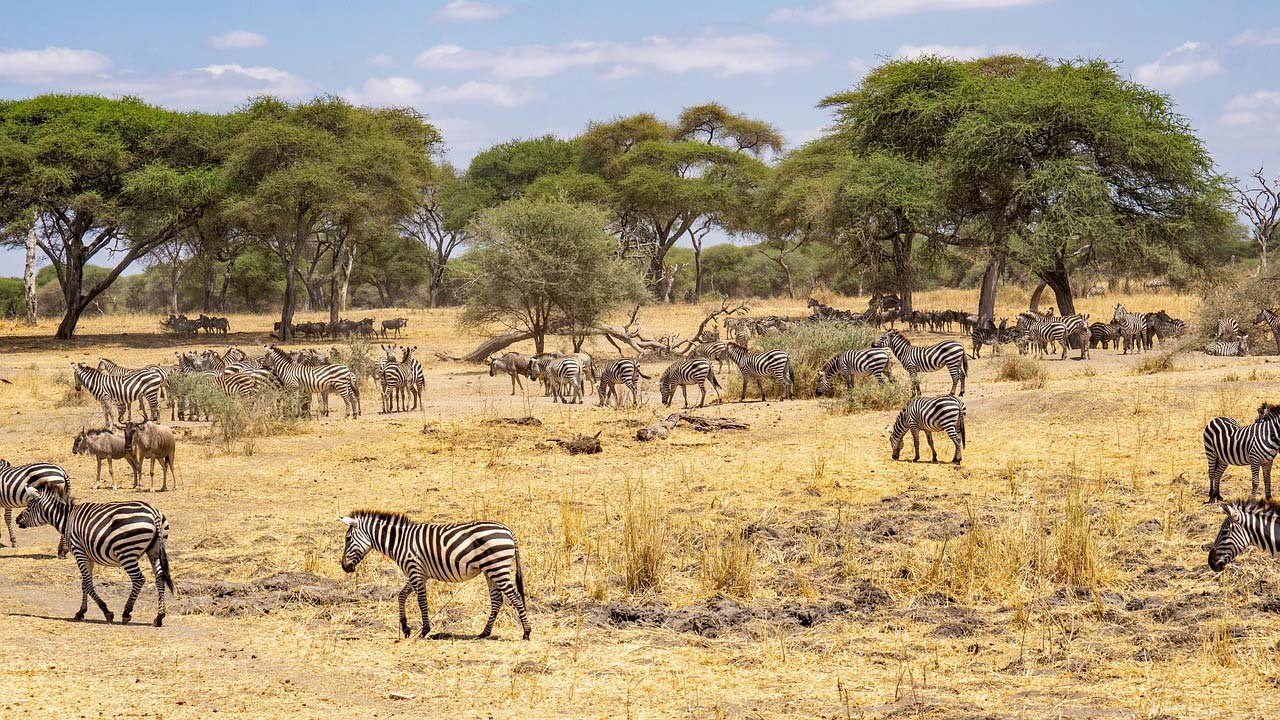
    Iconic Species: African Elephant, Lion, Giraffe, Wildebeest (Great Migration), Acacia Trees
    Why It’s Iconic: Vast grasslands dotted with iconic flat-topped trees, this habitat is defined by seasonal rains and droughts. It’s the stage for the planet’s most spectacular migration (the Serengeti-Mara wildebeest journey) and the drama of predator and prey playing out on an open, sun-drenched plain.

    3. The Great Barrier Reef – The Ocean’s Living Mosaic

    Location: Coral Sea, off Australia’s coast
    Iconic Species: Hundreds of coral species, Green Sea Turtle, Clownfish, Giant Clam, Reef Shark
    Why It’s Iconic: The world’s largest coral reef system, visible from space. This underwater metropolis, built by tiny coral polyps over millennia, shelters an explosion of color and life. A breathtaking example of symbiotic relationships and oceanic biodiversity now facing climate threats like coral bleaching.

    4. The Arctic Tundra – The Frozen Frontier

    Location: Circumpolar, surrounding the North Pole
    Iconic Species: Polar Bear, Arctic Fox, Caribou (Reindeer), Snowy Owl, Muskox
    Why It’s Iconic: A treeless landscape of permafrost, where life survives extreme cold, harsh winds, and long winters. In the brief, vibrant summer, it explodes with wildflowers and migratory birds. It’s a fragile ecosystem warming at twice the global average, threatening its unique adaptations.

    5. The Himalayan Highlands – The Roof of the World

    Location: Asia (Nepal, Bhutan, Tibet, India)
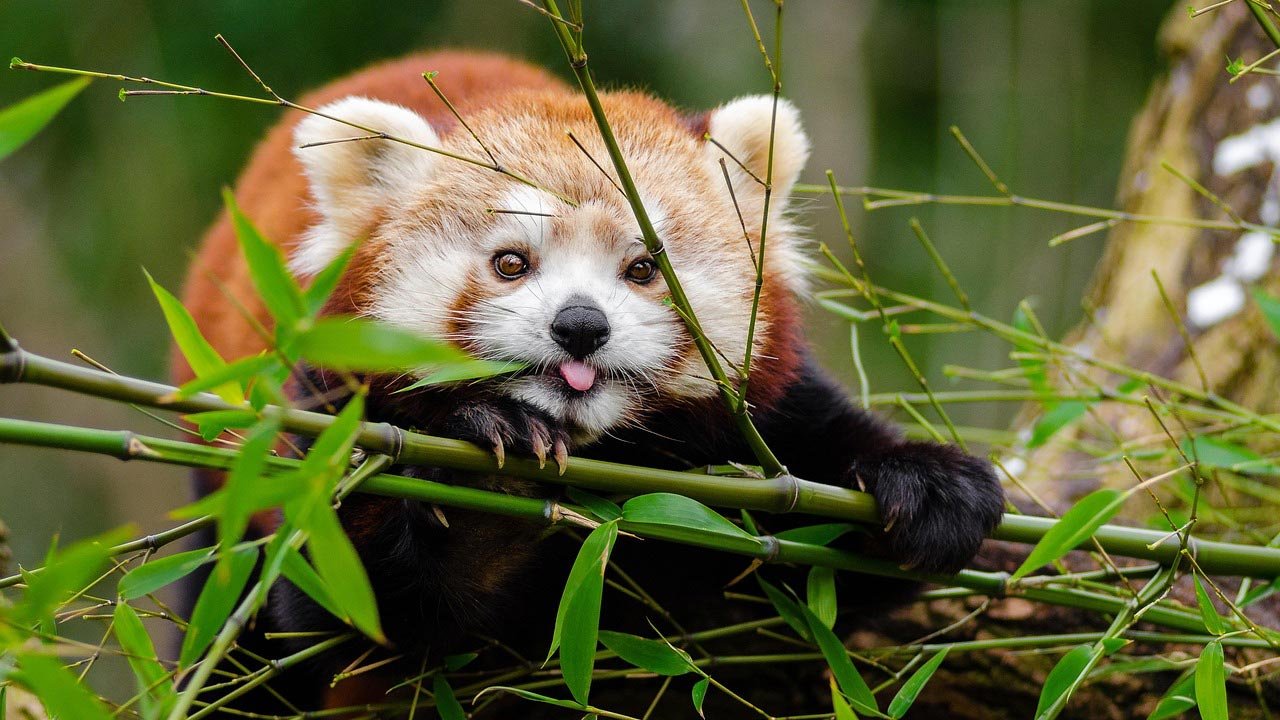
    Iconic Species: Snow Leopard, Red Panda, Himalayan Monal, Yak, Rhododendron forests
    Why It’s Iconic: From deep alpine valleys to the highest peaks, this vertical habitat changes with altitude. Rare and elusive species like the snow leopard are perfectly camouflaged in its rocky slopes, while unique cultures have adapted to life in thin air. A critical water tower for Asia.

    6. The Pantanal – The World’s Largest Tropical Wetland

    Location: Brazil, Bolivia, Paraguay
    Iconic Species: Jaguar, Hyacinth Macaw, Giant River Otter, Capybara, Caiman
    Why It’s Iconic: Unlike a rainforest, the Pantanal is an open, seasonally flooded plain. During the wet season, it transforms into a vast inland sea, dispersing nutrients and creating a paradise for wildlife. It boasts the highest concentration of jaguars on Earth and is a birdwatcher’s paradise.

    7. The Deep Ocean Vents – The Alien World Within Our Own

    Location: Mid-ocean ridges worldwide
    Iconic Species: Giant Tube Worms, Yeti Crab, Vent Mussels, Extremophile Bacteria
    Why It’s Iconic: In complete darkness, under crushing pressure, life thrives not by sunlight but by chemosynthesis. Superheated, mineral-rich water from hydrothermal vents supports bizarre, specialized life forms, challenging our very definition of where life can exist.

    8. The Bornean Rainforest – An Ancient Island Ark

    Location: Borneo (Indonesia, Malaysia, Brunei)
    Iconic Species: Orangutan, Proboscis Monkey, Pygmy Elephant, Rafflesia (world’s largest flower), Hornbills
    Why It’s Iconic: One of the oldest rainforests on Earth (over 130 million years). Its isolation led to incredible endemism—species found nowhere else. The charismatic orangutan, the “person of the forest,” symbolizes the profound intelligence and fragility of this habitat

    9. The Galápagos Islands – The Living Laboratory of Evolution

    Location: Pacific Ocean, off Ecuador
    Iconic Species: Giant Tortoise, Marine Iguana, Blue-footed Booby, Darwin’s Finches, Galápagos Penguin
    Why It’s Iconic: Volcanic islands where unique species evolved in isolation, famously inspiring Charles Darwin’s theory of natural selection. Here, animals show no fear of humans, and adaptations—like the marine iguana, the only sea-going lizard—are on vivid display.

    10. The Boreal Forest (Taiga) – The Planet’s Green Crown

    Location: Northern latitudes across Canada, Scandinavia, Russia
    Iconic Species: Gray Wolf, Moose, Lynx, Brown Bear, Wolverine, Great Gray Owl
    Why It’s Iconic: The world’s largest land biome, a vast sea of coniferous trees (spruce, fir, pine). It experiences extreme temperature swings and is a critical global carbon sink. Its ecosystems are adapted to fire and cold, supporting hardy predators and cyclical populations like the snowshoe hare.

    The Thread That Binds Them All

    This journey reveals a common truth: these habitats are interconnected masterpieces of nature. The health of the Amazon affects global rainfall; the Arctic’s ice regulates ocean currents; coral reefs protect coastlines. Each habitat faces profound threats—climate change, habitat loss, pollution, and exploitation.

    Traveling responsibly, supporting conservation, and advocating for global climate action are ways we can help ensure these iconic worlds remain thriving chapters in Earth’s story, not just memories in a history book.

    “In the end, we will conserve only what we love; we will love only what we understand; and we will understand only what we are taught.” – Baba Dioum

  • “Top 10 Most Fascinating Animals You’ve Never Heard Of”

    “Top 10 Most Fascinating Animals You’ve Never Heard Of”

    The natural world is full of surprises, and beyond the lions, tigers, and bears lie creatures so strange and wonderful they seem from another planet. Here are ten of the most fascinating, lesser-known animals on Earth.

    1. Sunda Flying Lemur (Colugo)

    Why it’s fascinating: Often called a “flying lemur,” it’s neither a true lemur nor does it fly. This remarkable mammal from Southeast Asia is the most skilled gliding mammal in the world. Using a giant, kite-like membrane (patagium) that stretches from its neck to its fingertips, tail, and toes, it can glide over 100 meters between trees with incredible grace, essentially becoming a living parachute.

    2. Pink Fairy Armadillo

    Why it’s fascinating: The smallest armadillo species (about 4-5 inches long), this desert dweller from Argentina looks like a tiny, pale pink knight in sandy armor. Its shell is attached only by a thin dorsal strap, and it uses huge, shovel-like front claws to “swim” through sand. It’s so elusive and specialized that it rarely survives in captivity.

    3. Venezuelan Poodle Moth

    Why it’s fascinating: Straight out of a fantasy novel, this moth was discovered in Venezuela in 2009. It resembles a tiny, white, fluffy poodle with black, beady eyes and strangely curled antennae. Its almost surreal, plush appearance has captivated the internet, though very little is known about its biology.

    4. Shoebill

    Why it’s fascinating: A prehistoric-looking, towering bird from East African swamps. Its most striking feature is its massive, clog-shaped bill, which it uses to catch lungfish, turtles, and even baby crocodiles. The shoebill is known for its statue-like stillness and a terrifying behavior called “collapsing,” where it strikes with lightning speed. Its intense, unblinking stare is unforgettable.

    5. Glaucus Atlanticus (Blue Dragon)

    Why it’s fascinating: This is a sea slug that defies imagination. About an inch long, it floats upside down on the ocean’s surface, showing a stunning silver and blue underside for camouflage against the sky. It feeds on venomous Portuguese man o’ war, storing their stinging cells to use for its own defense—making it more dangerous than the creature it eats.

    6. Okapi

    Why it’s fascinating: Often called the “forest giraffe,” the okapi of the Congo rainforest looks like a bizarre fusion: the body of a horse, legs striped like a zebra, and a long, dark, prehensile tongue like a giraffe’s (it’s actually the giraffe’s only living relative). So elusive, it was known to Western science only in 1901.

    7. Matschie’s Tree Kangaroo

    Why it’s fascinating: Evolution took a kangaroo and sent it to the treetops. Native to Papua New Guinea, this marsupial has powerful forearms, sharp claws for climbing, and a long tail for balance. It can leap 30 feet down to another tree, but moves with a slow, deliberate clumsiness on the ground. It’s also strikingly colored with orange and gold fur.

    8. Saiga Antelope

    Why it’s fascinating: This antelope from the Central Asian steppes looks like it’s from the Ice Age (because it is). Its most bizarre feature is a large, flexible, trunk-like nose that hangs over its mouth. This nose filters dust in summer and warms freezing air in winter. Sadly, it’s critically endangered due to poaching and disease.

    9. Lowland Streaked Tenrec

    Why it’s fascinating: Found only in Madagascar, this tiny, insect-eating mammal is a punk-rock package. It’s covered in black and yellow quills, and it has a unique superpower: it can communicate by vibrating its specialized quills together, creating high-frequency sounds—a method called stridulation, similar to crickets and snakes.

    10. Axolotl

    Why it’s fascinating: While slightly better known, the axolotl earns its place for its sheer biological wonder. This Mexican salamander is a “Peter Pan” animal, retaining its larval features (like external gills) for its entire life. It can regenerate almost any body part—limbs, heart, even parts of its brain—without scarring. Sadly, it’s nearly extinct in the wild.

    Why These Creatures Matter: Each of these animals plays a unique role in its ecosystem. Their often bizarre adaptations are brilliant solutions to survival challenges. Learning about them expands our sense of wonder and underscores the incredible, fragile diversity of life on Earth—a diversity we have a responsibility to understand and protect.

    Want to learn more? Responsible wildlife documentaries and reputable conservation organization websites (like WWF, IUCN, or the Zoological Society of London) are great places to start your exploration.

  • “The Importance of Wildlife Conservation in a Changing World”

    “The Importance of Wildlife Conservation in a Changing World”

    In our rapidly changing world—marked by climate disruption, habitat loss, pollution, and biodiversity decline—wildlife conservation is no longer a niche concern but a fundamental imperative for planetary and human survival.

    Why It Matters Now More Than Ever

    1. Biodiversity as a Safety Net

    1. . Biodiversity as a Safety Net
      Healthy ecosystems with diverse species are more resilient to climate shocks, diseases, and environmental changes. Each species plays a role—whether pollinating plants, purifying water, enriching soils, or controlling pests. The loss of any species weakens the entire system.
    2. Climate Change Mitigation
      Wildlife and intact ecosystems are powerful climate allies. Forests sequester carbon, wetlands buffer floods and store water, and ocean ecosystems regulate global temperatures. Protecting wildlife means protecting these natural climate solutions.
    3. Human Health and Wellbeing
      Biodiversity loss is linked to increased zoonotic disease transmission (like COVID-19). Conversely, healthy ecosystems provide food security, clean air and water, medicines, and psychological benefits. Over half of global GDP depends on nature and its services.
    4. Ethical and Intergenerational Responsibility
      We share the planet with millions of other species. As the dominant species causing unprecedented change, we have a moral duty to protect life and preserve nature’s wonders for future generations.

    Key Challenges in a Changing World

    Habitat Fragmentation: Expanding agriculture, urbanization, and infrastructure cut through migration routes and reduce living spaces.

    Climate Change: Alters breeding cycles, migration patterns, and food availability faster than many species can adapt.

    llegal Wildlife Trade: Drives species like pangolins, rhinos, and elephants toward extinction.

    Pollution: Plastics, chemicals, light, and noise pollution disrupt animal behavior and health.

    Invasive Species: Outcompete native wildlife as climate zones shift.

    Paths Forward: Conservation in the 21st Century

    1. Protected and Connected Areas

    Expanding well-managed protected areas and creating wildlife corridors allows species to move and adapt to climate shifts.

    2. Community-Led Conservation

    Successful conservation involves local and indigenous communities as partners, respecting their knowledge and rights while supporting sustainable livelihoods.

    3. Technology and Innovation

    Using tools like drone monitoring, environmental DNA (eDNA) sampling, and AI helps track populations, combat poaching, and restore habitats more effectively.

    4. Policy and Finance

    Stronger international agreements (like the UN Biodiversity Framework), national policies, and redirecting harmful subsidies toward conservation finance are critical.

    5. Individual and Collective Action

    From responsible consumption and supporting conservation organizations to advocating for policy change, everyone has a role.

    Conclusion

    Wildlife conservation is not about preserving the past but about securing a livable, vibrant future. In a changing world, it represents an investment in planetary resilience, human health, economic stability, and ethical stewardship. The fate of wildlife is inextricably linked to our own—by protecting them, we ultimately protect ourselves and the delicate balance of life on Earth.

  • “Hidden Wonders: Exploring the Secret Lives of Wildlife”

    “Hidden Wonders: Exploring the Secret Lives of Wildlife”

    Beneath the surface of what we see in fleeting glimpses lies a world of intricate, secret lives—unseen dramas, sophisticated communication, and remarkable adaptations that unfold daily in the wild. To explore these hidden wonders is to deepen our respect for nature and understand our place within it.

    The Unseen World

    Micro-ecosystems: From the water-filled hollow of a single leaf (a “phytotelma”) hosting tiny frog eggs and insect larvae, to the complex fungal networks beneath the forest floor—the “Wood Wide Web”—life thrives in miniature, interconnected worlds.

    Nocturnal shifts: As daylight fades, a cast of different characters emerges. The forest floor, silent by day, might pulse at night with the activity of pangolins, fossas, pottos, and the silent, precise flight of owls navigating by sound alone.

    Private communications: Much of wildlife “talk” happens outside human perception:

    • Infrasound: Elephants communicate over kilometers with deep rumbles we feel more than hear.
    • Ultraviolet patterns: Many birds, insects, and reptiles see UV light, revealing hidden plumage patterns and nectar guides invisible to us.
    • Electrical fields: Sharks navigate and sense prey through bioelectric fields. Some fish, like elephantnose fish, “see” their environment with self-generated electrical pulses.

    Revealing the Secrets Ethically

    Modern technology, paired with ancient patience, allows us glimpses without intrusion:

    • Camera traps reveal candid moments—a snow leopard greeting her cubs, a jaguar patrolling its territory at midnight.
    • Non-invasive biologging (tiny, temporary trackers) maps migratory routes of birds, turtles, and butterflies.
    • Slow, quiet observation from hides or using remote lenses still yields the deepest understanding, as animals settle into natural behavior.

    The Deeper Wonder

    Exploring these secret lives teaches us profound lessons:

    1. Individuality: Animals are not just representatives of their species. They have personalities—the curious fox, the bold robin, the shy deer. Their lives are shaped by experience, memory, and social bonds
    2. Complex Societies: From the democratic decision-making of honeybee swarms to the cultural traditions passed down in orca pods or chimpanzee communities, animals exhibit social complexity that mirrors our own in fascinating ways.
    3. Resilience and Adaptation: The hummingbird’s torpor to survive cold nights, the tardigrade surviving extreme conditions in suspended animation—life persists through ingenious, hidden strategies.

    Our Role as Witnesses

    To explore these secrets is a privilege. It requires us to be:

    • Patient observers, not directors.
    • Responsible storytellers, sharing what we learn to foster wonder, not disturbance.
    • Protectors, ensuring these hidden wonders have the space, darkness, quiet, and clean ecosystems they need to continue unfolding long after we’ve left.

    The greatest hidden wonder may be this: the more we learn about the secret lives of wildlife, the more we realize how much remains unknown—a beautiful reminder that the natural world is endlessly complex, deserving of both our curiosity and our humility.

    “The real voyage of discovery consists not in seeking new landscapes, but in having new eyes.” — Marcel Proust

    By looking closer, listening more carefully, and respecting boundaries, we don’t just observe nature’s secrets—we become advocates for preserving the mystery and majesty of life in all its hidden forms.

  • Wildlife Photography: Capturing Nature Ethically.

    Wildlife Photography: Capturing Nature Ethically.

    Wildlife photography is a powerful way to connect people with nature, but it must be practiced with respect and responsibility. Ethical wildlife photography prioritizes the well-being of animals and ecosystems over getting the perfect shot.

    Core Ethical Principles

    1. Respect Wildlife Welfare

    • Maintain a safe and non-threatening distance
    • Never bait, chase, or harass animals
    • Avoid disrupting natural behaviors like hunting, nesting, or feeding
    • Be especially cautious during sensitive times (breeding, nesting, winter)

    2. Protect Habitats

    • Stay on established trails and paths
    • Follow “Leave No Trace” principles
    • Avoid trampling vegetation or disturbing soil
    • Be mindful of fragile ecosystems

    3. Prioritize Safety

    • Research your subject’s behavior and habitat needs
    • Understand local regulations and protected areas
    • Use appropriate gear (telephoto lenses reduce need to approach)

    In the Field:

    • Let animals approach you; don’t pursue them
    • Watch for signs of stress (altered behavior, vocalizations)
    • Use natural light when possible; flash photography can disorient animals
    • Keep visits brief, especially near nests or dens

    After Capturing Images:

    • Avoid geotagging precise locations of sensitive species
    • Be honest in captions about conditions and techniques
    • Use your platform to educate about conservation

    Special Considerations

    Nesting/Breeding Seasons: Exercise extreme caution; even minor disturbances can cause abandonment or predation.

    Endangered Species: Additional restrictions often apply; research thoroughly

    Marine Environments: Follow responsible diving/snorkeling guidelines; never touch coral or marine life.

    Captive Animals: Disclose if animals were in captivity or controlled situations.

    The Ethical Photographer’s Mindset

    Ask yourself: “Is my presence altering natural behavior?” If the answer is yes, reconsider your approach.

    Remember that no photograph is worth harming wildlife or habitats. Your role is as an observer and storyteller, not a director. The most powerful wildlife images often come from patience and respect, allowing natural behaviors to unfold.

    By following ethical practices, you contribute to conservation through education while ensuring that wildlife remains wild and undisturbed for future generations of both animals and photographers.

Buy This Template
Purchase this template and start building your Breakdance website today. ⚡
Get Pixels Library Membership
👑 One Membership. Full Access to All Breakdance 400+ Templates library and future releases !
Explore 400+ Templates
One of the largest Breakdance template directories in the official marketplace.
Need Customization?
Need design changes or custom Breakdance Development? Our team can help.
Made With Breakdance !!