Forests are not just collections of trees — they are vertical worlds, each layer a unique ecosystem teeming with specialized life. Like a bustling city with distinct neighborhoods from basement to penthouse, forest layers create niches that allow thousands of species to coexist. Let’s journey upward through the strata of life in a temperate or tropical rainforest.
1. The Forest Floor: Realm of Decomposition
Conditions: Dark, damp, rich in decaying matter.
Key Inhabitants:
- Detritivores: Fungi, termites, earthworms, and beetles that break down fallen leaves and wood.
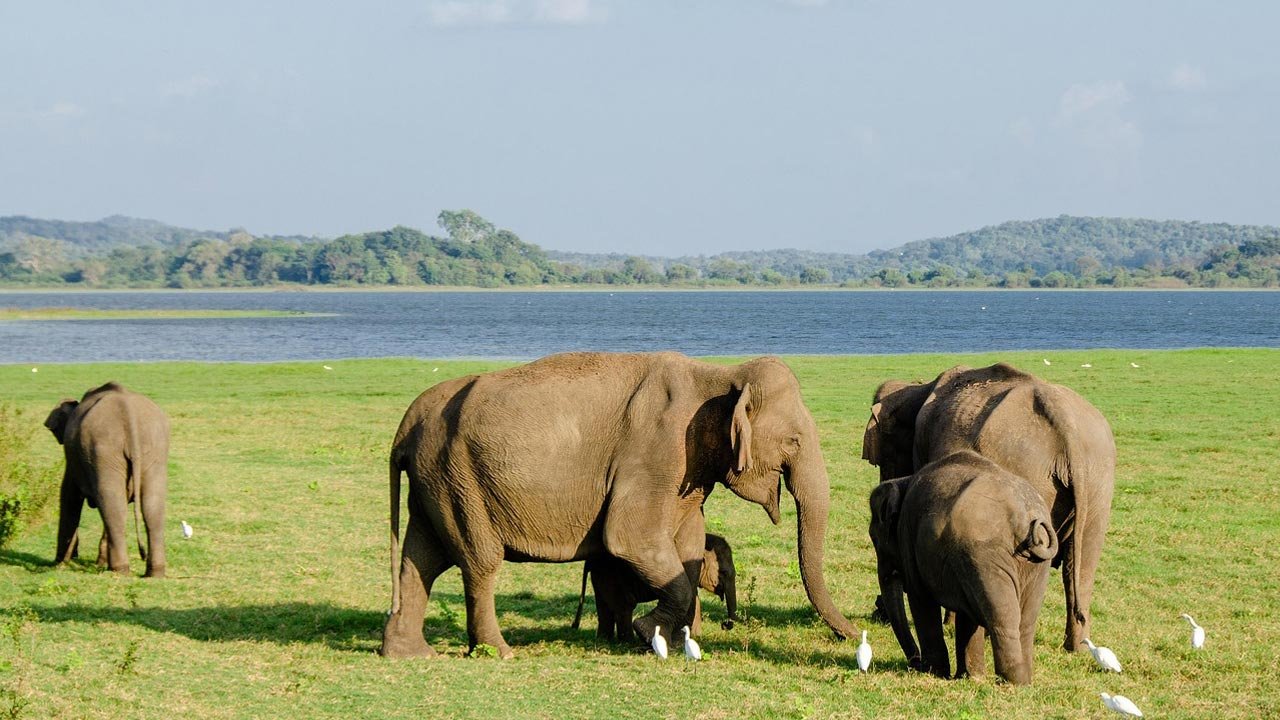
- Ground Dwellers: Large mammals like deer, tapirs, and forest elephants (in tropics), foraging for roots, fungi, and low-growing plants.
- Predators: Jaguars, leopards, and forest foxes patrol quietly here.
- Specialized Plants: Saprophytes (like ghost pipes) that feed on decaying matter, and shade-tolerant seedlings waiting for a canopy gap.
- Why it matters: The forest floor is the nutrient recycling center — decomposers return vital minerals to the soil, fueling the entire forest’s growth.
2. The Understory: Realm of Shadow and Strategy
Conditions: Low light, still air, high humidity.
Key Inhabitants:
3. The Canopy: The Forest’s Vibrant Roof
Conditions: Sun-drenched, wind-exposed, rich in fruits and flowers.
Key Inhabitants:
- Arboreal Specialists: Monkeys, sloths, lemurs, and canopy-dwelling marsupials.
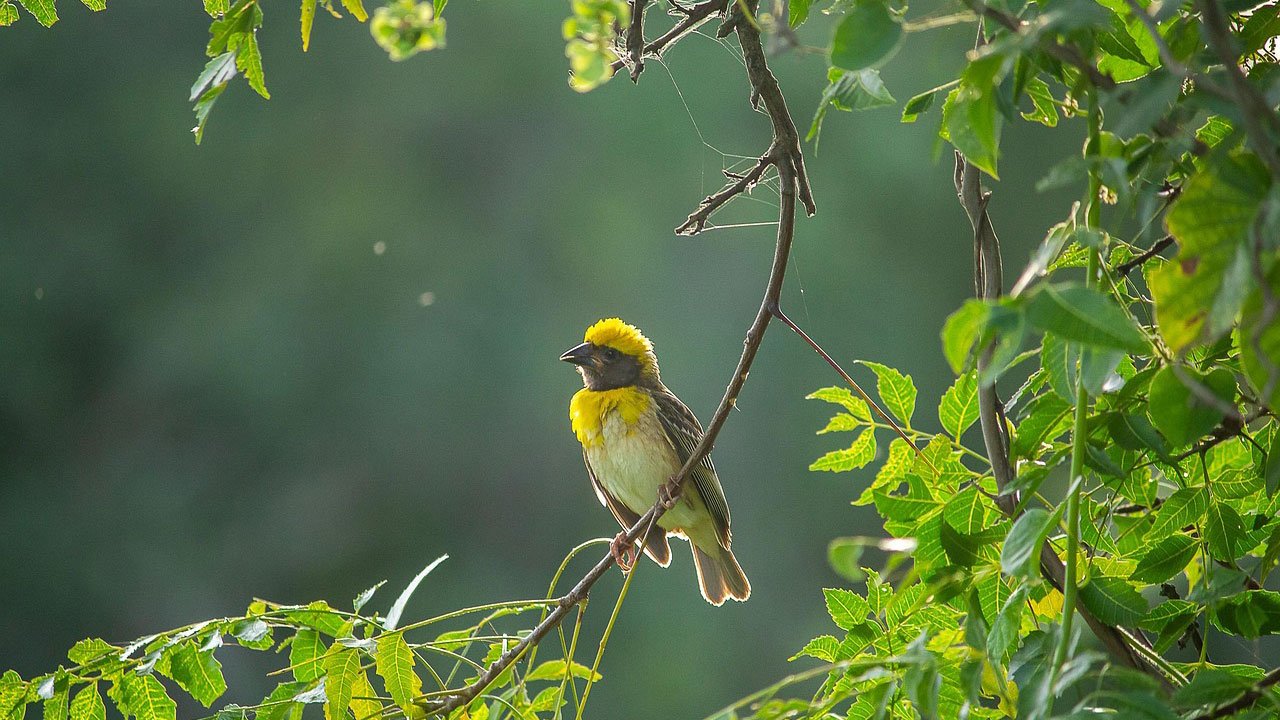
- Birds: Parrots, toucans, hornbills, and countless songbirds nesting and feeding on fruit, nectar, and insects.
- Epiphytes: “Air plants” like orchids, bromeliads, and mosses that live on branches, creating micro-habitats for insects and frogs.
- nsects: Butterflies, bees, and canopy-specific beetles.
- Why it matters: The canopy is the primary production layer — up to 80% of forest photosynthesis happens here. It’s also the main hub for pollination, seed dispersal, and arboreal life.
4. The Emergent Layer: Towers Above the Green Sea
Conditions: Full sun, strong winds, temperature fluctuations.
Key Inhabitants:
- Giant Trees: Individual tall trees (like kapok or dipterocarps) rising above the canopy.
- Raptors & Flying Predators: Eagles, hawks, and bats that soar above the forest.
- Specialized Insects: High-flying butterflies and moths.
- Sun-loving Epiphytes: Some hardy orchids and lichens cling here.
Why it matters: Emergent trees seed the forest — their height aids wind dispersal, and they often flower and fruit to feed high-flying animals. They also influence local weather by capturing moisture.
The Connections Between Layers
The true wonder lies in the vertical links:
- Nutrient Cycling: Fallen leaves, fruit, and even animals drop from canopy to floor, feeding decomposers.
- Animal Movement: Many species, like squirrels, monkeys, and insects, move daily between layers to feed, nest, and escape predators.
- Water Flow: Rain is intercepted by canopy leaves, drips to understory plants, and finally soaks into the floor — each layer moderates the microclimate.
- Seed Dispersal: Birds may eat fruit in the canopy and deposit seeds on the forest floor, or wind may carry seeds from emergents to clearings.
Threats to This Vertical World
- Deforestation & Fragmentation: Removing trees destroys entire vertical communities at once.
- Climate Change: Alters growth cycles, flowering times, and layer-specific microclimates.
- Invasive Species: Can dominate a particular layer, choking out native specialists.
- Selective Logging: Even removing a few large trees can disrupt canopy connectivity and sun exposure patterns.
Conservation Through Layers
Protecting forests means protecting all strata:
- Maintaining Old-Growth Forests: These have fully developed layers, including ancient emergent trees.
- Canopy Bridges: In fragmented areas, ropes or land bridges help arboreal animals cross gaps.
- Epiphyte Protection: Preserving “keystone plants” that host entire micro-ecosystems.
- Multi-Layer Research: Using canopy cranes, drones, and tree-climbing scientists to study life above the ground.
In essence, a forest’s health is measured not just in acres but in vertical integrity. From the fungi weaving through the soil to the eagles circling above the canopy, each layer supports the others in a delicate, dynamic balance. To stand in a multi-layered forest is to witness one of Earth’s most complex and collaborative living architectures — a testament to life’s capacity to diversify, adapt, and interconnect across every possible niche.